
The Benefits of Stem Cell Therapy: How Regenerative Medicine Is Changing Modern Healthcare
What Is Stem Cell Therapy?
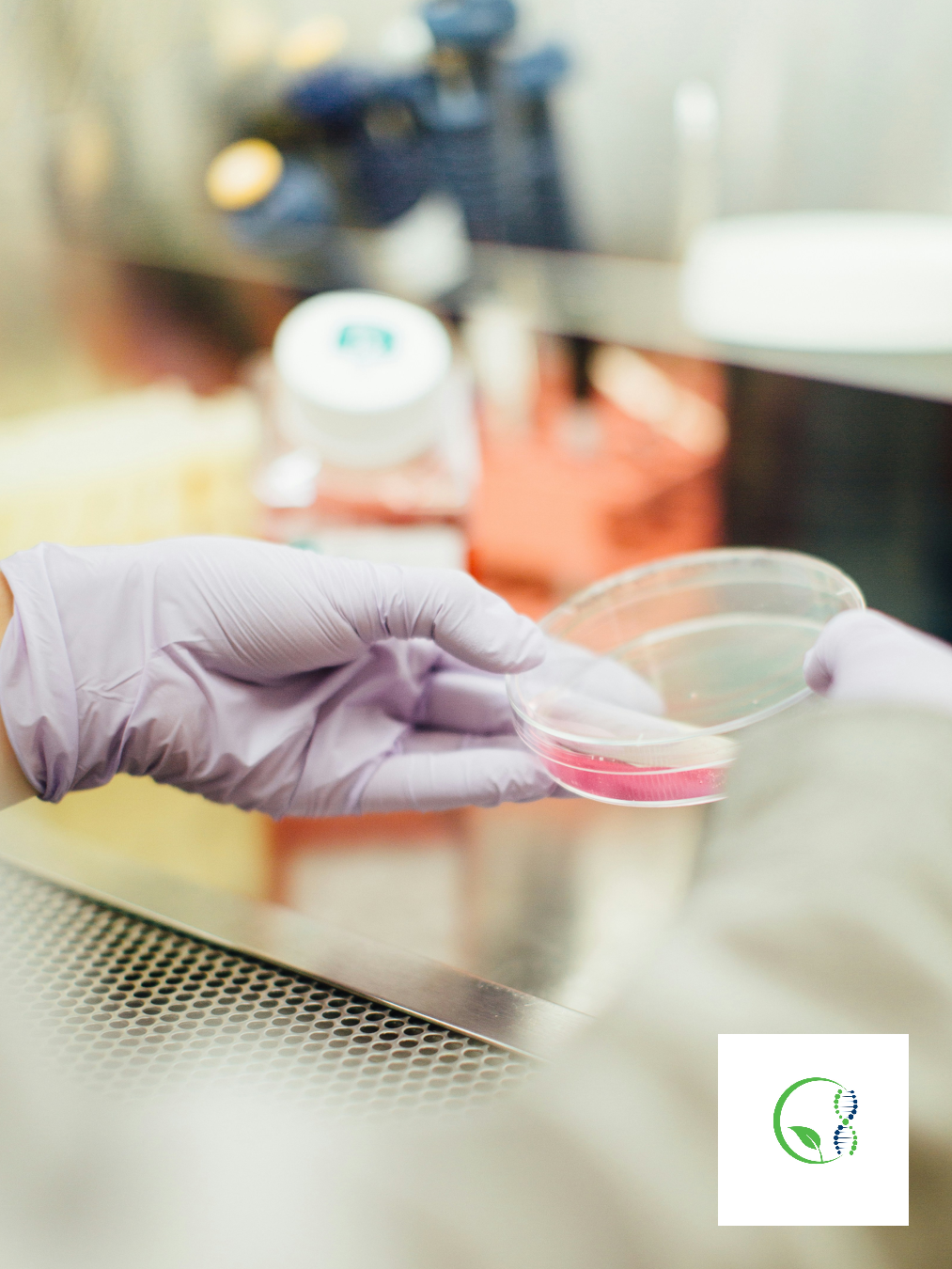
Stem cell therapy is an innovative approach within regenerative medicine that focuses on repairing, restoring, and supporting damaged tissues in the body. Unlike traditional treatments that primarily manage symptoms, stem cell therapy aims to stimulate the body’s natural healing processes.
Stem cells are unique because they can:
Self-renew (replicate themselves)
Differentiate into specialized cells (such as muscle, bone, cartilage, or nerve cells)
Release growth factors that support tissue repair
These characteristics make stem cells one of the most exciting developments in modern medicine.
Types of Stem Cells Used in Regenerative Medicine
Several types of stem cells are used in clinical and research settings:
1. Adult Stem Cells (Mesenchymal Stem Cells – MSCs)
Often sourced from bone marrow or adipose (fat) tissue, these cells are commonly used in orthopedic and regenerative applications.
2. Umbilical Cord-Derived Stem Cells
These cells are rich in growth factors and are frequently explored for their regenerative and anti-inflammatory properties.
Each type has unique biological characteristics and potential applications, and treatment decisions depend on individual patient needs and medical evaluation.
Potential Benefits of Stem Cell Therapy
While research is ongoing and results vary by condition and patient, stem cell therapy is being explored for several potential benefits.
1. Supports Tissue Repair and Regeneration
Stem cells may help stimulate the repair of damaged cartilage, tendons, ligaments, and soft tissues. This makes regenerative medicine particularly appealing for orthopedic conditions.
2. May Reduce Inflammation
Chronic inflammation is linked to pain and degenerative conditions. Stem cells release signaling molecules that may help modulate inflammatory responses.
3. Promotes Natural Healing
Instead of masking symptoms, regenerative therapies aim to support the body’s inherent healing capacity.
4. Minimally Invasive Option
Many stem cell procedures involve injections rather than major surgery, which may result in shorter recovery times.
5. Expanding Applications
Stem cell research continues to explore use in areas such as:
Joint degeneration and arthritis
Sports injuries
Autoimmune-related inflammation
Neurological and cardiovascular research
It’s important to note that not all stem cell treatments are FDA-approved for every condition, and patients should seek qualified medical guidance before proceeding.
How Stem Cell Treatment Typically Works
Although protocols vary by provider, treatment often follows these steps:
Comprehensive Consultation – Medical history review and evaluation
Cell Preparation – Depending on the source, cells are collected and prepared
Targeted Administration – Cells are delivered to the treatment area
Recovery & Monitoring – Follow-up visits assess response and progress
We focus on personalized regenerative treatment approaches designed to support patient-specific needs through advanced biologic therapies.
Is Stem Cell Therapy Right for You?
Stem cell therapy may be considered by individuals who:
Experience chronic joint or musculoskeletal pain
Want to explore alternatives to surgery
Have not responded well to conventional treatments
Are seeking regenerative medicine options under professional supervision
However, candidacy must be determined by a qualified medical provider after thorough evaluation.
The Future of Regenerative Medicine
Stem cell research continues to evolve rapidly. Scientists are investigating how these cells may contribute to personalized medicine, tissue engineering, and advanced therapeutic strategies.
As research expands, regenerative medicine is expected to play an increasingly important role in how we approach chronic conditions and injury recovery.
Take the Next Step Toward Regenerative Wellness
If you’re exploring innovative treatment options and want to learn whether stem cell therapy may be appropriate for your condition, the first step is education and professional consultation.
Consider scheduling a consultation with a qualified regenerative medicine provider to discuss your goals, medical history, and available options.
To learn more about personalized regenerative approaches, give us a call and request a professional evaluation today.
Your journey toward supporting your body’s natural healing process could begin with one informed decision.